Top 10 Nostalgic Board Games and Card Games Making a Comeback in 2026: From Classic Chicken Road Spiele to Modern Family Favorites
Top 10 Nostalgic Board Games and Card Games Making a Comeback in 2026: From Classic Chicken Road Spiele to Modern Family Favorites
Introduction to the Board Game Renaissance of 2026
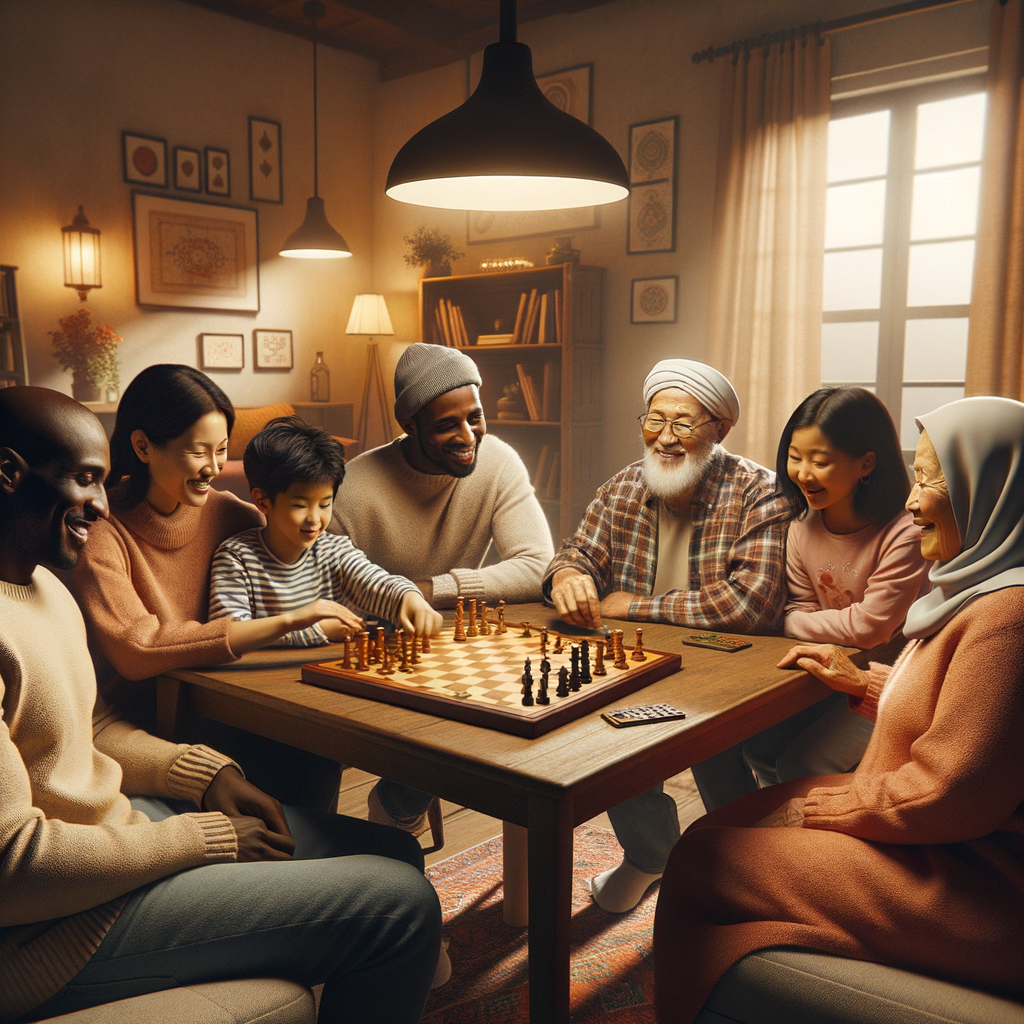
Five years back, if you'd told me my Saturday nights in 2026 would revolve around cardboard tokens instead of the newest VR rig, I would've laughed. Hard.
But here I am—voluntarily shuffling worn card decks at 10 PM on a weekend, and it doesn't feel sad or regressive. Something's happening in living rooms right now that cuts way deeper than another nostalgia cycle. It's a genuine renaissance. Board games and card games I grew up with—the ones collecting dust in my parents' basement for decades—they're back. Not as some ironic hipster thing either. This is legitimate family entertainment that's straight-up replacing streaming binges and doom-scrolling sessions.
The weirder our tech gets, the more I crave the weight of actual dice in my palm. This year's been wild because it's not just Monopoly getting dragged out for the hundredth time. We're seeing curated revivals—obscure European treasures, those '80s basement staples nobody thought about since Reagan was president, games I'd completely forgotten existed until I found them at a yard sale three weeks ago next to someone's broken lawnmower. It's nostalgia, absolutely. But also this dawning realization that solid game design doesn't expire. Good mechanics from 1960 still work in 2026.
The Psychology Behind Our Love for Nostalgic Games
Why now though?
Why are we—in 2026, drowning in digital everything, AI assistants scheduling our bathroom breaks—obsessed with games designed forty, fifty years ago by people who used slide rules?
I think our brains are literally starving for something tangible. After years of screens dominating every waking moment, holding a physical card or sliding a wooden token across a board grounds you in a way swiping glass never will. It's sensory. Real. Your fingertips remember textures your eyes forgot existed. There's a specific kind of satisfaction in shuffling a deck that no animation can replicate.
Plus, these games connect generations in ways nothing else does anymore. When I teach my kids a game I played at their exact age, there's this emotional thread forming between us—like I'm handing them a piece of my childhood that still works. It's continuity in an otherwise chaotic world where everything feels temporary. The rules are clear, contained, knowable. The stakes feel low. But the payoff—genuine laughter, trash talk that lands just right, that impossible comeback win nobody saw coming—it's pure human connection. And we're absolutely starved for that right now.
Classic European Games Finding New American Audiences
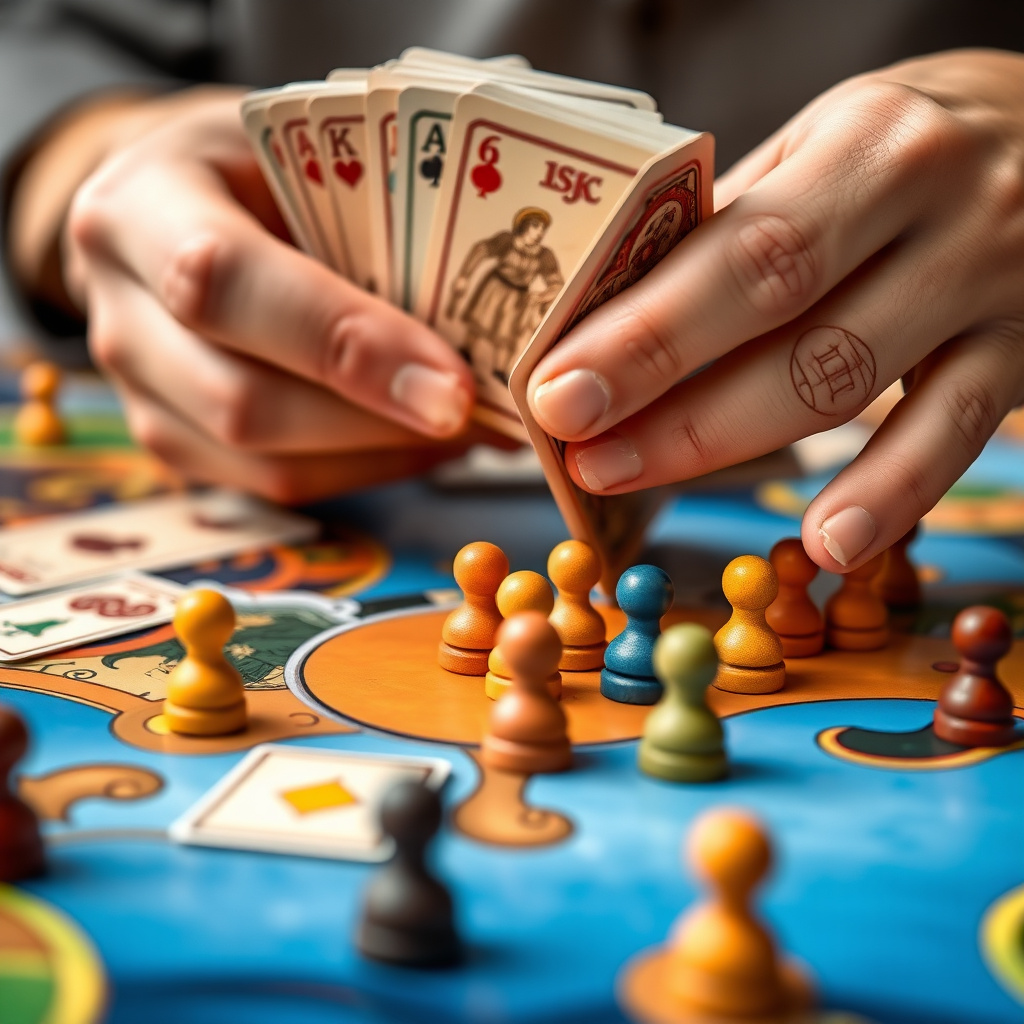
One of the coolest shifts I've watched unfold this year is how 'old school' European games are finally breaking into regular American homes. Not just the hobby crowd anymore—actual families who thought board games meant Clue and nothing else.
For decades there was this invisible wall. American games leaned thematic and luck-heavy (think Risk, where dice determine your entire fate), while European designs prioritized strategy and resource management. That wall's gone now. Completely demolished.
Families are embracing games that demand a little more thinking but deliver way deeper satisfaction. A perfect example is the surge in titles falling under Chicken Road Spiele. These games—rooted in traditional German design philosophy—hit this sweet spot between whimsy and tactical depth I didn't know I was missing. They prove you don't need batteries or processors to create genuine excitement. Just a clever mechanic, some heart, and maybe a few wooden cubes.
What Makes European Board Games Different
If you're new to Eurogames, the vibe's different immediately. Strategy trumps luck every single time. Player elimination? Barely exists here. No one's stuck watching for an hour because they rolled snake eyes in round two and got sent to the penalty box of boredom. Instead, you're trading resources, building economic engines, competing indirectly. Everyone stays engaged until the final scoring round.
And the components—often wood instead of cheap injection-molded plastic—add this tactile weight that fits 2026's whole aesthetic perfectly. It feels intentional. Like someone cared about the experience beyond just 'get product to shelf.'
Top 10 Nostalgic Games Making Their 2026 Comeback
Alright. Let's get into it.
Here's my definitive ranking of the games defining tabletops this year—whether you're hunting dusty originals on eBay at 2 AM or grabbing the shiny anniversary reprints at your local game store, these are the boxes you actually need on your shelf.
Games 10-6: Classic Card and Dice Games
- 10. Pit (1904): Over a century old and still chaotic as hell. You're literally shouting 'Corner on Wheat!' across the table while frantically trading commodity cards at breakneck speed. It's the perfect antidote to quiet, isolated screen time—loud, frantic, beautifully messy. First time I played it this year, my throat was sore the next morning. Worth it.
- 9. Mille Bornes (1954): This French auto racing card game has serious staying power. Slapping a 'Flat Tire' card on your opponent when they're three moves from winning still feels ruthless in the best possible way. The 2026 reprint absolutely nails the mid-century artwork too—so gorgeous I'd legitimately frame the box art.
- 8. Yahtzee (1956): Can't beat the classics. Dice games are everywhere this year because they're portable, teach in thirty seconds, and work at literally any skill level. Five dice rattling in a cup is basically the soundtrack of summer 2026 in my neighborhood. Every porch, every picnic table.
- 7. Dutch Blitz (1960): Fast, frantic, surprisingly intense for something that looks so innocent. This Pennsylvania Dutch gem has absolutely blown up on college campuses this year—I've seen it at three different universities in the past month. It's competitive solitaire cranked to eleven. Gets your heart racing faster than any fitness app I've tried, and I've tried way too many.
- 6. Rack-O (1956): Simple number sequencing. But here's what makes it genuinely special—it's accessible in ways modern games aren't. A six-year-old and a ninety-year-old can play on completely equal terms. No dumbing down, no handicaps. That's increasingly rare and incredibly valuable.
Games 5-1: Strategic Board Game Favorites
- 5. Stratego (1947): In an age of constant information overload where everything's tracked and transparent, the 'fog of war' mechanic here is genuinely thrilling. Bluffing, memory games, psychological warfare over a checkered board—the 2026 'Cold War Aesthetic' edition is selling like crazy and I completely understand why. That retro paranoia design hits different right now.
- 4. The Game of Life (1960 Checkered Board Version): Forget the dumbed-down modern versions entirely. People want the original 1960s layout—complex paths, 'revenge' tiles, darker humor baked directly into the mechanics. It's messy and honest in ways the sanitized remakes can't touch. The original didn't pretend life was fair or simple, and that resonates hard in 2026.
- 3. HeroQuest (1989): The dungeon crawler that genuinely shaped a generation of gamers. With D&D exploding across pop culture right now—celebrities playing on streams, movies hitting theaters—families want a board game version they can actually set up in under an hour without reading a novel. HeroQuest remains the absolute gold standard for 'sword and sorcery in a box.' Those miniatures still look incredible.
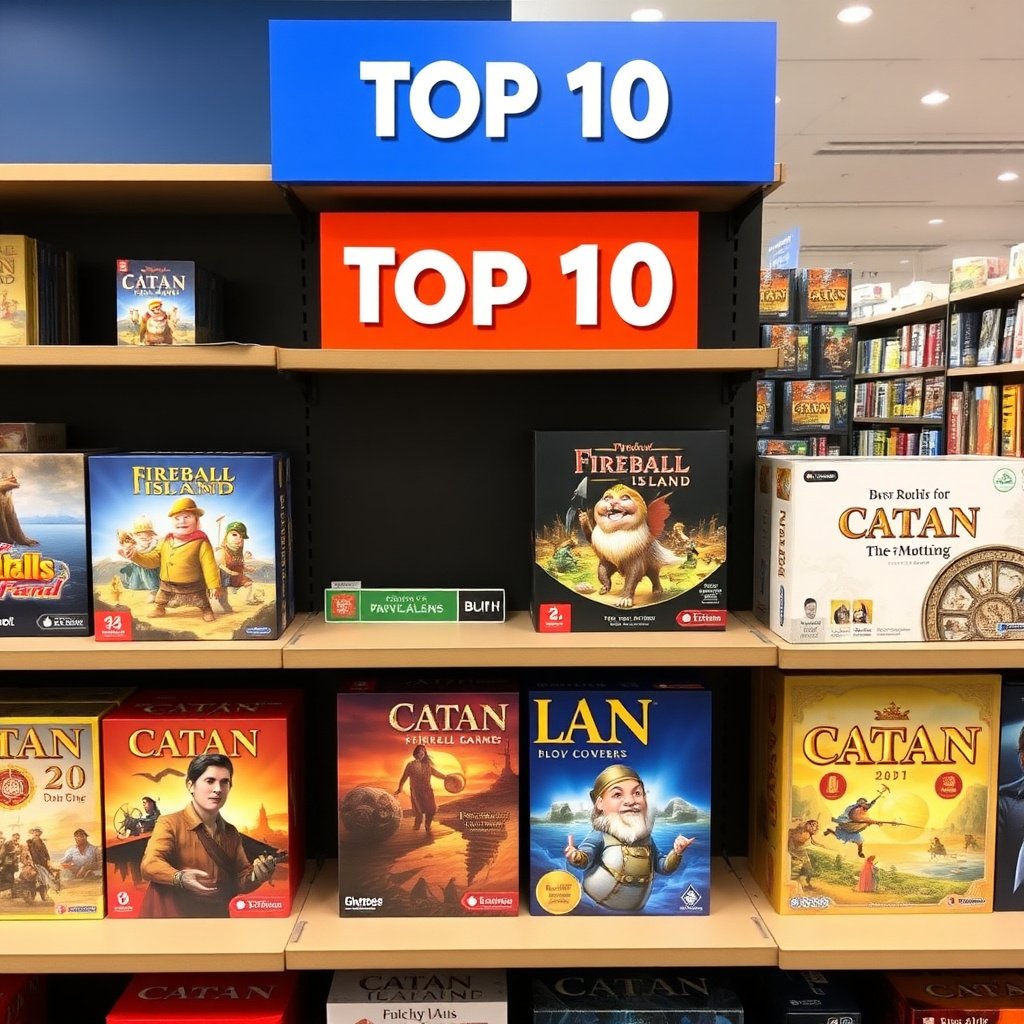
- 2. Catan (1995): Yeah, technically a 'modern' classic. But in 2026, Catan's officially crossed into nostalgic territory—it's been around for thirty-one years now. It bridged the gap for millions of us between traditional American games and European strategy designs. Taught a whole generation that board games could be legitimately strategic without being impenetrable. Still the ultimate lazy Sunday afternoon activity.
- 1. Fireball Island (1986): The undisputed king. This physical toy-game hybrid—where you're literally rolling marbles down a 3D sculpted mountain to wreck your opponents' plans—captures pure, unfiltered joy better than anything else I've played this year or any year. The 2026 restoration is an absolute masterpiece of game preservation. They kept everything that made it special and just made the components more durable. Playing it feels like being eight years old again, except now I can actually reach the table without standing on a phone book.
Why These Games Work for Modern Families
Looking at that list, there's a clear pattern emerging that I didn't expect when I started tracking this trend.
These games respect our increasingly precious time. Most clock in well under an hour—some way under. You're not decoding a forty-page rulebook before anyone touches a game piece (except maybe the heavier strategy titles, but even those streamline setup compared to modern hobby games). You can teach the basics in five minutes and start playing. That matters when you've got limited windows between homework and bedtime.
They also work seamlessly across generations in ways digital entertainment just doesn't. With multigenerational households becoming more common—grandparents living with kids and grandkids, adult children moving back home—this matters more than it used to. A video game controller can be a genuine barrier for older folks who never developed those reflexes. But a deck of cards? A pair of dice? That's universal language. My seventy-eight-year-old dad, who's never touched a PlayStation in his life, absolutely destroys me at Rack-O. These games level the playing field completely. Everyone's present in the same moment, engaged in the same challenge, competing on equal footing regardless of age or tech literacy.
Where to Find These Classic Games in 2026
So where do you actually find these boxes?
Estate sales and thrift stores remain the dream if you want that authentic old-cardboard smell—that specific musty scent that instantly transports you to your grandmother's hall closet. Though the secret's definitely out now and prices have climbed noticeably. I saw a complete 1986 Fireball Island sell for $300 at an estate sale last month. Unopened? Forget it—those are hitting four figures.
But the real development in 2026? Quality reproductions have gotten seriously, impressively good. Companies finally figured out we don't want 'modernized' aesthetics with gradient packaging and minimalist sans-serif fonts. We want the retro look, period. Game stores now feature dedicated 'Retro Rows'—exact replicas of '70s and '80s packaging, sometimes down to the print textures and that weird glossy finish that used to show fingerprints. It's museum-quality reproduction work.
Online communities are thriving too, dedicated to swapping and carefully restoring incomplete sets. I've seen people 3D-print replacement pieces that match the originals so perfectly you can't tell the difference. Pro tip from hard-earned experience: always verify the component list before buying used. Nothing kills the vibe faster than discovering mid-game you're missing the one crucial card that makes the whole mechanism work. Trust me. I learned this the expensive way with a 'complete' copy of Stratego that was missing half the bombs.
Tips for Hosting a Nostalgic Game Night
If you're hosting, atmosphere honestly matters more than the games themselves. I've learned this through trial and error—mostly error.
Phones go in a basket by the door. Make it non-negotiable. The first time someone pulls out their phone to 'quickly check something,' the entire vibe collapses. I've watched it happen. Curate a playlist that matches your game era—nothing complex, just background atmosphere. A little '80s synth-pop while playing Fireball Island? Absolutely perfect. Motown for Pit? Even better.
Keep snacks retro too. Popcorn in an actual bowl, not a microwave bag. Pretzels. Glass-bottle sodas if you can find them—the sugar rush tastes different from glass, I swear. And don't be weirdly rigid about rules. 'House Rules' are tradition in themselves. If a game's dragging too long or feels too cutthroat for your specific group, adjust it on the fly. Add a mercy rule. Cap the game at forty-five minutes. The whole point is genuine connection—not slavish devotion to a rulebook written fifty years ago by someone who never met your family and had no idea your uncle Steve takes everything way too personally.
Conclusion - The Future of Nostalgic Gaming
As we push deeper into 2026, I don't see this trend slowing down at all. If anything, it's evolving in genuinely interesting directions.
New designers are creating games that feel vintage—capturing that classic spirit, that specific warmth and accessibility, while smoothing out rough edges with modern design sensibility. Better rulebooks. Clearer iconography. Faster setup without sacrificing depth. Whether it's obscure imports like Chicken Road Spiele finally getting English translations or the chaotic brilliance of century-old Pit finding new audiences, these games prove that genuine fun is completely timeless. Good design from 1904 still works in 2026. Will probably still work in 2126.
By bringing these boxes back to the table, we're doing something bigger than just playing games. We're intentionally slowing down in a world that constantly demands we speed up. Making actual eye contact instead of staring at screens. Laughing at terrible dice rolls and celebrating genuinely clever plays. In our increasingly digital-first world, that kind of human connection—unmediated, face-to-face, with no algorithms deciding what you see next—that's the real victory condition. That's what we're actually starving for.





